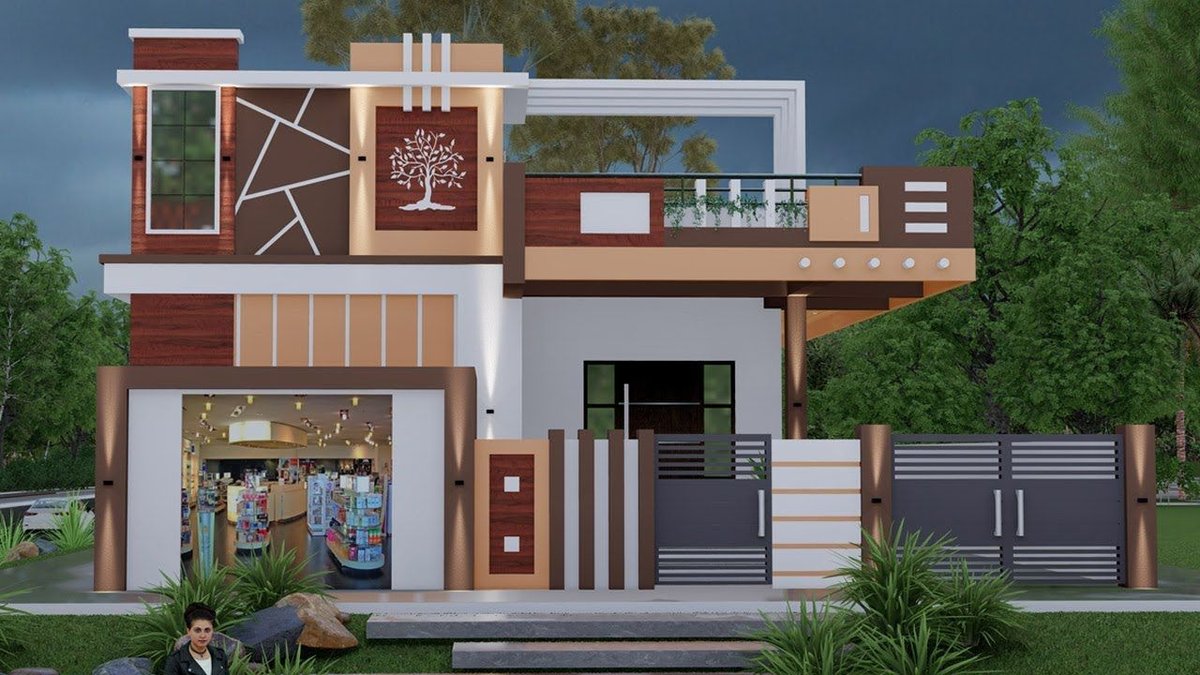
Your home’s exterior isn’t just a facade; it's the very first handshake with the world, a silent storyteller that whispers tales of style, personality, and place long before anyone steps inside. Mastering Exterior Design & Styling means understanding this crucial first impression, knowing the difference between a stately Colonial and a sleek Contemporary, and recognizing how every detail—from roofline to window trim—contributes to a cohesive, captivating whole. It's about blending timeless architectural principles with modern sensibilities, ensuring your home not only looks stunning but truly feels like yours.
At a Glance: Crafting Your Home's Signature Look
- First Impressions are Forever: Your exterior is the face of your home, setting the tone for what lies within and reflecting your personal style.
- Know Your Styles: From symmetrical Colonial to organic Craftsman, distinct house styles offer unique aesthetics and historical roots.
- Modern is More Than Minimal: Contemporary design embraces clean lines, innovative materials, and expansive glass, often with a focus on sustainability.
- Color is King: Beyond white and black, bold hues and unexpected greens are transforming modern facades, setting dramatic or serene moods.
- Materials Matter: Stone, wood, stucco, metal panels, and fiber cement each bring distinct textures, durability, and character to your home's exterior.
- Location, Location, Style: Regional influences shape design, from coastal aesthetics with weather-resistant materials to desert homes with deep overhangs.
- Blend with Confidence: Don't be afraid to mix and match elements from different styles (e.g., Modern Farmhouse) for a truly unique and personalized look.
- Windows as Art: Expansive, strategically placed windows are vital for natural light, views, and enhancing your home's architectural lines.
- Function Meets Form: Good exterior design isn't just pretty; it considers durability, energy efficiency, and how the home integrates with its landscape.
The Silent Storyteller: Why Exterior Design Matters
Imagine driving down a street lined with homes. Some catch your eye instantly, others blend into the background. What makes the difference? Often, it's the thoughtful execution of exterior design and styling. This isn't just about curb appeal; it's about telling a story, reflecting your lifestyle, and creating a sense of arrival. Your home's exterior is its public face, influencing everything from property value to how you feel every time you pull into the driveway. It's a complex interplay of architecture, materials, color, and landscaping, all working in harmony to create a lasting impression.
Deciphering Architectural DNA: A Guide to Popular House Styles
Before you can truly style your home’s exterior, it helps to understand the foundational architectural styles that have shaped our neighborhoods for centuries. Each style carries its own unique history, characteristics, and a particular aesthetic language.
Timeless Classics: Grandeur & Symmetry
These styles often evoke a sense of tradition, order, and enduring elegance.
- Colonial Style: Picture a sturdy, symmetrical home, typically 2-3 stories high, with a high-pitched roof and dormers. You'll often see a large central chimney, narrow clapboard or brick siding, and double-hung multipane windows flanking a centrally placed front door. Decorative crowns above the door, supported by pilasters or columns, add a touch of formality.
- Georgian Revival Style: Popular in the U.S. from 1715-1780, Georgian homes are more angular and strictly symmetrical than Federal. Expect brick or wood siding, a square footprint, and a centered front door often flanked by flattened columns and topped with a decorative crown. Medium-pitched roofs with chimneys at each end and minimal overhang are characteristic, as are five double-hung windows (9 or 12 panes per sash) or dormers across the front.
- Federal Revival Style: Favored in America late 1700s-early 1800s, Federal homes are grand and graceful. These 2-story brick structures often feature massive chimneys, a centered front door sheltered by a portico and topped with a fan-shaped transom light. Look for dentil moldings in the cornice, fan-shape or elliptical gable windows, and Palladian windows.
- Greek Revival Style: Popular mid-1800s, especially in the South, these homes exude grandeur. They are typically square with tall double-hung windows. The shallow-pitched roof is often front-facing, supported by a columned portico and triangular pediment. White clapboard exteriors, decorative pilasters, dentil moldings, and heavy cornices complete the classical look.
- Cape Cod Style: With roots in the late 1600s, this style became popular again in the 1930s. Cape Cods feature steep side-gabled roofs (often with dormers), a chimney usually on one end, and a story-and-a-half structure. Wide clapboards, wood shingles, or brick exteriors are common, as are centered, often plain, front doors (sometimes with a small portico) and double-hung multipane windows with decorative shutters.
- Southern Colonial Style: Similar to Colonial but often with chimneys at the ends, these homes boast steeply pitched gable roofs and a symmetrical, narrow plan (often one room deep). You’ll find centered front doors, multipane tall double-hung windows, and a wide front porch elevated by tall foundation walls.
Crafted & Cozy: Natural Beauty & Inviting Spaces
These styles prioritize natural materials, comfortable living, and a sense of craftsmanship.
- Craftsman Style: Emerging from the early 20th-century Arts and Crafts Movement, Craftsman homes celebrate natural materials and artisanal details. Key features include low-pitched gable roofs with exposed rafters or decorative beams, wide porches supported by substantial columns, and siding in wood, stone, or stucco. Double-hung windows are often grouped, with multi-pane upper sashes over plain lower ones. Organic colors and natural materials like river rock are common.
- Cottage Style: Associated with coziness and informality, often nestled in garden settings. Cottages feature tall, peaked roofs, masonry chimneys, and meandering walkways. Large multipane windows, often shingled wood siding, and abundant floral and climbing plant surroundings create their enchanting charm.
- Farmhouse Style: A simplified take on Victorian aesthetics, modern farmhouses blend rustic charm with contemporary features. Traditional versions often have an asymmetrical plan with dormers and gables, shingle or metal roofs, tall windows, and a wraparound porch with some Victorian detailing. Lap siding with simple moldings and trim completes the look.
- Shingle Style: A 19th-century Victorian variation, often built as vacation homes, these houses are characterized by continuous shingle cladding on all exterior surfaces, giving them a flowing, organic feel. You'll typically see free-form, rambling architecture, stone chimneys, wide porches, asymmetrical massing, dormer windows, and sometimes half turrets. The lower portion may even be clad in heavy stone.
European Influences: Rich Textures & Distinct Silhouettes
Drawing inspiration from diverse European architectural traditions, these styles are full of character and often quite elaborate.
- Tudor Style: Popular in the U.S. in the 1920s-30s and again in the 1970s-80s, Tudor homes often evoke fairy-tale castles. They feature steeply pitched roofs with wide gables and massive chimneys. Brick and stucco cladding are combined with stone trim and door surrounds, and tall, narrow casement windows with multiple panes are common. Larger Tudors are famous for their distinctive wood and stucco half-timbering.
- Mediterranean Revival Style: Also known as Mission or California Mission, this style draws from Spanish colonial churches. Homes are clad in adobe-like stucco, with flat or low-pitch roofs topped with clay tiles. Balconies often feature black wrought-iron railings, and structures are frequently built around access to an inner courtyard, with deeply shaded porches and terra-cotta pavers.
- Spanish Colonial Style: Evident in the southwestern U.S., these homes feature massive masonry walls (rough-cut stone blocks) or wood-frame walls covered with stucco. Muted earth tones like red clay and ochre dominate the exterior, complemented by small windows, large ornate wooden doors, and low flat roofs.
- Victorian Style: Often referring specifically to Queen Anne style, Victorian homes are known for their intricate details and dramatic flair. Expect steep gable roofs, lacy ornamental woodwork (often called "gingerbread"), tall narrow windows, turned columns, turrets, and generous porches. Decorative wooden brackets, patterned shingles, clapboard siding, and combinations of multiple exterior colors are all hallmarks.
Modern & Minimalist: Bold Statements & Clean Lines
These styles emerged from a desire for simplicity, functionality, and a forward-thinking aesthetic.
- Ranch House Style: Hugely popular in the 1950s-60s, the Ranch house is defined by its single-story layout, low-pitched gable or hipped roof, and a long, low profile. Often rectangular, L- or U-shaped, these homes typically feature sliding glass doors leading to a patio, an attached garage, and a simple, open floor plan with minimal ornamentation.
- Contemporary Style: Defying a single shape, contemporary homes are characterized by large, tall glass panes that invite natural light. Siding often uses natural materials like wood and stone, while unique irregular shapes, minimal ornamentation, and open floor plans are common. Cathedral ceilings with exposed beams or flat roofs are typical.
- International Style: Emphasizing "less is more," industrial materials, and free-flowing spaces, International Style prioritizes lack of clutter. Features include flat roofs, large expanses of glass (including glass block), a neutral palette, and simple geometric shapes. Constructed of steel and concrete for open interiors, exteriors are often clad in white stucco or wood (rarely brick and mortar), with tubular steel railings.
The Modern Aesthetic: A Deep Dive into Contemporary Exterior Design
Modern exterior design isn't just a trend; it's a movement towards homes that are visually striking, highly functional, and often deeply integrated with their environment.
Defining Modernity: Form, Function, & Flare
Modern homes are a masterclass in clean lines, sleek angles, and innovative materials, designed to make a bold visual impact. They often feature expansive glass walls that blur the line between indoor and outdoor living, inviting natural light and panoramic views. Sustainability is frequently a cornerstone, with elements like green walls or solar panels seamlessly incorporated. Contemporary residential architecture champions a harmonious blend of form and function, where geometric shapes and minimalist aesthetics dominate. Materials such as glass, steel, concrete, wood, and stone are carefully balanced to create dynamic yet serene looks.
Mastering Modern Color Palettes
The right color scheme can transform a modern exterior from interesting to iconic. Beyond traditional neutrals, contemporary homes often embrace bold, sophisticated palettes.
- White Facades: A timeless choice, gleaming white creates striking contrast with landscaping and offers a blank canvas for architectural details. It can be personalized with pops of color via doors, trim, or accessories. Incorporate textural elements like stacked stone or wood beams for added depth, though be mindful that white exteriors require regular maintenance to stay pristine.
- Bold Black Exteriors: For a dramatic silhouette and sophisticated elegance, black siding makes a powerful statement. Sleek black can reflect its surroundings beautifully. Contrasting white trim or natural wood accents can add depth. Experiment with matte black brick or vertical black wood siding for texture. If pure black feels too intense, charcoal gray or deep navy offer softer, yet equally striking, alternatives.
- Black and White Combinations: This classic pairing achieves timeless elegance and striking visual impact. Think crisp white walls with sleek black window frames, or a black facade with crisp white trim. Incorporate textural elements like rough stone or smooth metal, or geometric patterns for a modern twist that keeps the eye engaged.
- Unexpected Green Siding Options: Adding a refreshing, natural element, green siding can beautifully contrast with landscaping. Options range from calming sage to vibrant emerald forest green. Consider powder-coated metal panels in matte olive or fiber cement boards in deep hunter green. These can be complemented with natural wood accents, warm lighting, and sleek black trim for a sophisticated finish.
Structural Elements: Crafting Visual Impact
Modern architecture excels at using structural elements to define character, offering more than just support.
- Clean Lines & Geometric Shapes: Characterized by sleek surfaces and innovative forms, modern homes frequently feature bold geometric shapes, angular rooflines, and asymmetrical facades. Cantilevered overhangs create visual interest and practical shade. Exposed steel beams or concrete elements can introduce an industrial flair, while floating staircases or elevated walkways provide striking and functional focal points.
- Single Story Marvels: Sleek and sophisticated, single-story modern homes often boast expansive windows, minimalist designs, and flat or low-pitched roofs. They cleverly mix materials like wood, stone, and metal, maximizing outdoor living spaces with integrated patios and gardens to connect with the landscape.
- Two Story Wonders: These homes showcase sleek lines, expansive windows, and innovative materials across two levels. The interplay of light and shadow accentuates features like cantilevered upper floors or dramatic entryways. Incorporate contrasting textures and oversized windows to create visual depth, and consider a statement staircase visible from the exterior as a focal point.
- Simple and Minimalist Designs: Embracing the "less is more" philosophy, these designs feature sleek lines, uncluttered spaces, and a limited, neutral color palette (white, gray, black). Crisp white facades, large windows, and clean geometric shapes are typical, with flat roofs emphasizing a streamlined profile. The focus is on essential elements, removing ornate details, and incorporating natural materials for warmth.
Materials that Speak Volumes: Modern Cladding Choices
Revolutionary materials blend form and function, defining the modern aesthetic.
- Metal Panels: Sleek, reflective, and incredibly durable, metal panels offer a low-maintenance, high-impact cladding option for modern homes. They can be used to create sharp lines and a contemporary feel.
- Natural Wood Cladding: Adding warmth and organic texture, natural wood cladding (like cedar or redwood) creates a beautiful contrast with glass and concrete elements, softening modern angles.
- Fiber Cement Siding (Hardie Board): This versatile material offers the timeless look of traditional materials (like wood clapboard or shingles) with enhanced weather resistance, fire resistance, and longevity. Hardie Board allows for experimentation with textures and colors, and can be mixed with stone or metal accents for a dynamic facade.
- Vinyl Board and Batten Siding: Bringing modern farmhouse charm, this siding offers a rustic appeal with contemporary sophistication. It provides excellent durability and low maintenance, and pairs beautifully with black framed windows and bold front door colors.
- Cedar Shake Siding: For rustic charm, warmth, and character, cedar shake siding is an excellent choice. Naturally resistant to insects and decay, it can be paired with contrasting trim colors or combined with sleek metal panels or smooth stucco for a modern twist on a classic material.
- Brick and Stone: Making a strong comeback in modern design, brick and stone blend timeless appeal with sleek contemporary lines. They add texture and character, whether through experimental patterns and layouts or by using veneers and cladding on modern geometric shapes.
Regional Rhythms: Modern Design Adapts to Place
Modern designs often draw inspiration and practicality from their surroundings, demonstrating how site-specific considerations shape aesthetics.
- Coastal Modern Aesthetics: Blending beachside living with contemporary design, these homes feature expansive glass walls for ocean views, weathered wood accents, soft neutral palettes, and organic textures. Large sliding glass doors, nautical-inspired lighting, and minimalist furniture are common. The design balances cool-toned materials like glass and steel with warm natural elements like driftwood and rattan.
- Desert Inspired Contemporary Homes: Sleek lines meet rugged desert beauty in these designs. Natural materials like stone and wood are prominent, alongside large windows that frame expansive views. Flat roofs and clean geometric shapes define the silhouette, while a warm earth-tone palette, sometimes with sage green or terracotta accents, integrates the home with its environment. Textural elements like rough-hewn wood beams or stacked stone walls are common, as are outdoor living spaces with covered patios and fire pits for shade and comfort.
- Texas Hill Country Modern: This style marries rustic charm with sleek contemporary design. It features warm limestone exteriors, expansive windows that blur indoor/outdoor boundaries, and integrated living spaces. Exposed wooden beams, reclaimed barn doors, and native stone fireplaces add character, while spacious covered patios with outdoor kitchens extend living into the natural landscape.
- Kerala Style Modern Exteriors: Inspired by a tropical paradise, these homes often feature striking white walls contrasted with rich wood accents. Sloped roofs with wide overhangs provide shade and protection from the elements. Ornate wooden pillars or intricately carved doors add a touch of traditional elegance, often complemented by small courtyards or water features.
Scaling Up & Down: Luxury and Compact Modern Designs
Modern design principles are adaptable, whether crafting a grand estate or a tiny dwelling.
- Luxury in Modern Home Exteriors: Opulence and sophistication define these designs. Sleek lines, clean angles, and expansive glass walls are paramount, often accompanied by lavish materials like polished marble, gleaming metals, and exotic woods. Statement features like grand entrances, serene water features, or sculptural architectural elements elevate the design. The focus is on impeccable craftsmanship and a sophisticated finish.
- Small Scale Modern Exterior Designs: Big impact can be achieved even in compact homes. These designs employ sleek lines, minimalist aesthetics, and innovative materials to maximize visual appeal. Charcoal gray facades with warm wood panels and expansive windows create a sense of spaciousness. Incorporate vertical elements like tall narrow windows or a bold front door, and use uplights to illuminate key features. The focus is on a few carefully chosen elements, such as sculptural planters, to make a statement.
- Modern Bungalow Concepts: Reimagining traditional layouts with open floor plans, sleek finishes, and expansive windows, modern bungalows blend classic charm with contemporary living. Clean lines, flat or low-pitched roofs, and a harmonious mix of wood, stone, and glass are typical. Oversized front porches or patios extend living spaces outdoors. Update with monochromatic color schemes, geometric landscaping, and statement lighting for a fresh take.
- Tiny Home Exterior Innovation: Creativity and efficiency are key for tiny homes. Sleek metal siding or warm wood cladding are common choices, often paired with multifunctional elements like foldaway stairs or retractable awnings. Vertical gardens, living walls, and smart use of windows and skylights contribute to both aesthetics and liveability. The emphasis is on durable, visually appealing materials that maximize every inch.
The Art of Fusion: Blending Styles for Unique Exteriors
Some of the most captivating homes today aren't strictly one style but a thoughtful blend of influences. This fusion allows for unique personalization and can yield truly stunning results.
- Modern Farmhouse Fusion: This popular style marries rustic charm with contemporary elegance. Expect crisp white siding contrasted with sleek black window frames, natural wood accents (like exposed beams or a welcoming front porch), and perhaps a metal roof or industrial-style lighting. Greenery, via planters or herb gardens, adds a touch of natural vitality.
- Spanish Modern Interpretations: Traditional Spanish architecture meets contemporary design in this sophisticated blend. Crisp white stucco walls, warm terracotta accents, and sleek modernist lines are characteristic. Arched doorways and windows are often streamlined, and a neutral palette with rich earthy tones is complemented by textural elements like rough-hewn wood beams or handcrafted tiles.
- French Country with a Modern Twist: This fusion offers rustic elegance with contemporary flair. Soft cream stucco, natural stone accents, and warm wooden shutters blend with large windows featuring sleek black frames. A steep pitched roof, exposed wooden beams, and wrought-iron details might be juxtaposed with minimalist landscaping, creating a harmonious balance.
- Victorian Homes with Contemporary Updates: Here, classic charm meets modern sophistication. Intricate gingerbread trim and ornate turrets can be juxtaposed with sleek glass additions and minimalist landscaping. Incorporate oversized windows or a modern porch extension to bridge the eras. Streamline some ornate details, and perhaps opt for matte black exteriors to make a bold, contemporary statement while respecting historical character. When thinking about how designs evolve and push boundaries, it’s not unlike the automotive world, where enthusiasts might Explore the 6th Gen Camaro to understand its blend of heritage and modern performance styling.
Key Elements of an Irresistible Exterior
Beyond broad styles, specific features define a home's character and enhance its appeal.
Facade Features: Beyond the Wall
The front face of your home, the facade, is where architectural details truly shine.
- Bold Geometric Shapes: Modern homes often utilize clean lines and unexpected shapes to create visual interest. Sleek metal panels contrasting with warm wood accents, or expansive glass walls, can define a striking facade.
- Enhancing Visual Interest: Facade features aren't just decorative; they serve functional purposes like energy efficiency or maximizing natural light. Incorporate a vibrant front door as a focal point or use unique exterior lighting to highlight architectural elements. Mixing textures and materials for depth is also key.
Window Wisdom: Light, View, and Aesthetic
Windows are the eyes of your home, influencing both interior comfort and exterior aesthetic.
- Expansive Glass: For contemporary exteriors, large, even floor-to-ceiling, windows are paramount. They merge indoor and outdoor spaces, flood interiors with natural light, and frame captivating views.
- Strategic Placement: The size, shape, and placement of windows significantly impact a home's overall design. They contribute to the balance and symmetry of traditional homes or the dynamic asymmetry of modern ones.
- Frame Details: Window frames can be a subtle detail or a bold statement. Black-framed windows, for example, have become a signature of modern and modern farmhouse styles, offering a crisp contrast against lighter sidings.
Bringing Your Vision to Life: Practical Steps
Embarking on an exterior redesign or building from scratch can be an exciting journey. Here’s how to navigate it effectively.
1. Understand Your Style Preference
Start by exploring what resonates with you. Do you gravitate towards the timeless elegance of a Georgian home, the cozy charm of a Craftsman, or the sleek lines of a Contemporary? Gather inspiration from magazines, online galleries, and local architecture. Knowing your core aesthetic will be your compass.
2. Consider Your Surroundings
Your home doesn't exist in a vacuum. Observe the architectural styles prevalent in your neighborhood, the natural landscape, and even the climate. A desert-inspired home in a lush, green suburb might feel out of place, just as a Traditional Colonial might look odd on a rugged mountain hillside. Harmonizing with your environment creates a more cohesive and pleasing overall aesthetic for your community.
3. Budget & Maintenance
Be realistic about your budget. Some materials and architectural features are significantly more expensive than others. Factor in not just the initial cost but also long-term maintenance. Natural wood, while beautiful, requires more upkeep than fiber cement siding. Similarly, expansive glass walls offer stunning views but come with specific cleaning considerations.
4. Consult Professionals
Unless you are an experienced designer or architect, bringing your vision to life often requires professional help. Architects can translate your ideas into functional blueprints, ensuring structural integrity and adherence to local building codes. Landscape designers can integrate your home with its outdoor spaces, creating flow and enhancing curb appeal. A general contractor will manage the construction process, bringing all elements together. Their expertise can save you time, money, and headaches in the long run.
Your Home, Your Statement
Ultimately, your home's exterior is an extension of you. It's where memories are made, where welcomes are extended, and where your personal taste is put on display for the world to see. Whether you're drawn to the historical gravitas of a Federal Revival, the organic warmth of a Craftsman, or the cutting-edge appeal of a Contemporary masterpiece, the journey of exterior design and styling is one of self-expression. By understanding the foundational styles, embracing modern innovations, and thoughtfully combining elements, you can create a home that not only looks exceptional but truly feels like a reflection of who you are.