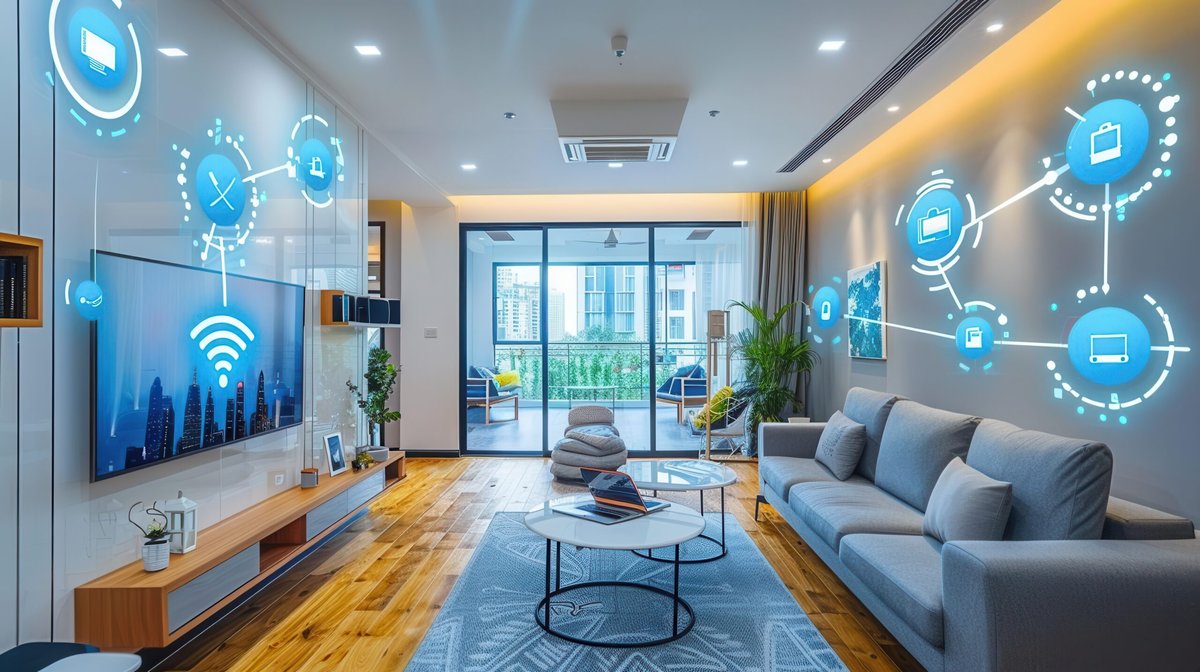
Our homes are no longer just static structures; they've become dynamic, intelligent environments thanks to a revolution in Interior Features & Technology. From the way we plan our spaces to how we interact with them daily, cutting-edge innovations are fundamentally transforming interior design, making homes more intuitive, efficient, and deeply personal. It's a shift that prioritizes human experience, blends seamlessly with aesthetics, and often, actively works towards a more sustainable future.
This isn't just about gadgets; it's about integrated systems that enhance comfort, save time, reduce costs, and reflect our individual lifestyles in unprecedented ways.
At a Glance: The Tech-Powered Home Transformation
- Visualize Before You Build: Digital tools allow you to "walk through" your future home in 3D or VR, eliminating costly surprises.
- Smart Living, Simplified: Connected devices manage lighting, climate, security, and entertainment, often with just your voice.
- Furniture That Does More: Your sofa might charge your phone, and your bed could track your sleep.
- AI as Your Design Partner: Algorithms suggest layouts, colors, and materials tailored to your taste, speeding up decision-making.
- Eco-Friendly Innovations: Technology helps create energy-efficient homes and promotes sustainable material choices.
- A Future of Dynamic Spaces: Expect responsive materials and robotics to bring even more fluidity to our interiors.
The Design Blueprint Revolution: Seeing Your Home Before It Exists
Remember sketching floor plans on graph paper? Today, that's akin to carving on stone tablets. Digital planning and visualization tools have democratized design, giving homeowners and professionals alike the power to experience their future spaces with astonishing realism, long before the first nail is hammered.
Virtual Reality (VR) and Augmented Reality (AR): Your Personal Design Playground
Imagine stepping into your envisioned living room, walking around, and seeing how the sunlight hits the new rug, or how that pendant light looks above the dining table—all without a single piece of furniture being physically present. That's the power of Virtual Reality (VR) walkthroughs and advanced 3D modeling. These tools render detailed, photorealistic models that you can navigate, allowing you to gauge scale, flow, and atmosphere with remarkable accuracy. This immersive experience is invaluable for making informed decisions, preventing expensive changes down the line, and boosting confidence in your design choices.
Augmented Reality (AR) apps take this a step further by overlaying virtual objects onto your real-world environment through your smartphone or tablet camera. Ever wondered if that new sofa would fit in your lounge or if a particular paint color would clash? Apps like IKEA Place, Houzz, Homestyler, Amikasa, and Roomle let you virtually "place" furniture, décor, or even appliances in your existing room. Dulux Visualizer, for example, allows you to experiment with paint colors on your actual walls in real-time. This interactive experimentation significantly reduces purchase risk, empowering you to try countless design options at no cost.
Benefits of Digital Visualization:
- Time Savings: Drastically cut down on back-and-forth design revisions.
- Cost Prevention: Identify and correct potential design flaws or mismatched elements before construction or purchase, avoiding costly errors.
- Enhanced Confidence: See your vision come to life, allowing you to commit to decisions with peace of mind.
- Collaborative Design: Easier for designers and clients to communicate and align on design intent.
These tools are not just for luxury projects; they are becoming standard, accessible to anyone with a smartphone and a desire to make their home truly their own.
The Intelligent Home: Where Comfort Meets Convenience
At the heart of modern interior technology lies the Smart Home and the Internet of Things (IoT). This ecosystem connects disparate devices, allowing them to communicate and work together, creating environments that respond to your needs, learn your preferences, and simplify daily living. It’s about more than just remote control; it’s about intelligent automation that anticipates and adapts.
Harmonizing Your Home with IoT
Imagine a home where your lights dim automatically as the sun sets, the thermostat adjusts for optimal comfort before you arrive, and your security system knows when you're home or away. This seamless integration enhances comfort, boosts energy efficiency, and improves security, all managed from a central app or via voice commands.
- Automated Lighting Systems: Beyond simple on/off, smart lighting like Philips Hue offers precise control over brightness, color temperature, and even color. You can create different "moods" for dinner parties or movie nights, set schedules, or link them to motion sensors so lights activate only when a room is occupied, saving energy. Voice assistants like Amazon Alexa and Google Assistant make controlling these systems as simple as a spoken request.
- Smart Thermostats: Devices like Nest learn your preferences, monitor occupancy, and even integrate with weather forecasts to optimize heating and cooling. You can adjust the temperature remotely from your phone, ensuring your home is always comfortable upon your arrival while reducing energy waste when you're out.
- Smart Home Security: Modern security systems go far beyond traditional alarms. Integrated sensors detect motion, open doors or windows, and even glass breakage, sending instant alerts to your smartphone. Smart doorbells with cameras let you see and speak to visitors from anywhere, adding layers of convenience and peace of mind.
- Voice Assistants: These pervasive digital helpers are the central command centers for many smart homes. Amazon Alexa, Google Assistant, and Apple's Siri allow you to control lights, thermostats, music, and much more using natural language commands. They make interacting with your home intuitive and hands-free.
- Automated Window Coverings: Smart blinds, shades, and curtains can be programmed to open and close at specific times, adjust based on sunlight, or respond to voice commands. This not only adds convenience but also significantly contributes to energy efficiency by managing solar heat gain and loss throughout the day.
- Smart Kitchen Appliances: The kitchen, too, is getting smarter. Ovens that can be preheated remotely, refrigerators that monitor inventory and suggest recipes, and coffee makers that brew your morning cup on schedule are all examples of how IoT is making meal preparation and kitchen management more streamlined.
- Home Energy Monitoring: Sensors and smart plugs provide detailed insights into your energy consumption, identifying energy hogs and suggesting ways to reduce usage and lower utility bills. This directly supports sustainable living and empowers homeowners to make smarter choices.
Just as automotive engineering has evolved to seamlessly integrate complex systems, from navigation to engine management, enhancing both performance and user experience, your home's integrated systems are designed to offer a similarly sophisticated level of control and comfort. It's about making sophisticated technology feel effortlessly simple in your daily life. To truly appreciate the intricacies of advanced design and function across different fields, you might even find it interesting to Explore the sixth-generation Camaro and see how similar principles of engineering and user-centric design manifest.
Furniture Gets Smart: Beyond Just a Place to Sit
Furniture is no longer merely functional or decorative; it's becoming an active participant in your smart home ecosystem. Smart furniture integrates high-tech functionality directly into its design, offering conveniences without sacrificing style or comfort.
The Rise of Multi-Functional Furnishings
Imagine a coffee table that wirelessly charges your phone, a desk that adjusts its height with a voice command, or a bed that monitors your sleep patterns and subtly adjusts its firmness. These are not futuristic concepts but present-day realities.
- Integrated Charging: Sofas, bedside tables, and desks now commonly feature built-in wireless charging pads and USB ports, eliminating cable clutter and keeping your devices powered up discreetly.
- Adjustable and Adaptive: Standing desks with programmable height settings, recliners with massage functions, and beds with adjustable bases enhance comfort and ergonomic benefits. Some high-end mattresses even integrate sensors to track sleep quality or firmness adjustments based on your movements throughout the night.
- Hidden Technology: From integrated speakers and subwoofers in entertainment units to hidden compartments for smart devices, smart furniture prioritizes clean aesthetics while delivering advanced capabilities.
- Health and Wellness: Sensors in chairs or sofas can remind you to adjust your posture, while advanced beds provide detailed sleep analytics to help improve your rest.
- Accessibility: For individuals with mobility issues, voice-activated controls for motorized curtains, adjustable bed frames, or even smart mirrors that provide personalized information can significantly enhance independence and daily convenience.
Smart furniture embodies the philosophy that technology should enhance our lives seamlessly, often disappearing into the background until its function is needed.
Your AI Design Partner: Algorithms and Aesthetics
Artificial Intelligence (AI) isn't just for sci-fi movies or complex data analysis; it's rapidly becoming an indispensable tool in interior design, acting as a powerful design partner for professionals and homeowners alike. By leveraging algorithms and machine learning, AI can process vast amounts of data, recognize patterns, and generate creative solutions.
AI's Role in Shaping Your Space
- Intelligent Design Suggestions: Imagine an AI that understands your preferred aesthetic. Tools powered by AI can analyze your style inspirations, existing furniture, and even your mood board, then recommend optimal layouts, color palettes, material combinations, and furniture selections that align perfectly with your taste. Apps like Planner 5D and Roomstyler use AI to assist users in creating and visualizing designs.
- Hyper-Realistic Rendering: AI-driven rendering engines can transform basic 2D floor plans into stunningly realistic 3D images and virtual walkthroughs in a fraction of the time it would take human designers, offering unparalleled visualization.
- Trend Prediction: By analyzing consumer behavior, social media trends, and industry data, AI can forecast popular design styles, colors, and materials, helping designers stay ahead of the curve and make informed purchasing decisions.
- Personalized Design Journeys: AI tailors the design process to individual client needs. For example, by asking a series of questions about lifestyle, preferences, and budget, AI can quickly narrow down design options, present curated choices, and even flag potential compatibility issues. Generative AI tools like ChatGPT can provide design recommendations and brainstorm ideas, while AI art generators like Midjourney can create unique digital artwork or patterns for your space.
The Human Touch Remains Essential
While AI offers incredible capabilities, it's important to acknowledge its limitations. AI's accuracy and relevance are heavily dependent on the quality and breadth of the data it's trained on. Moreover, genuine creativity, empathy, and the nuanced understanding of a client's emotional connection to their home still require the human touch. AI is a powerful assistant, not a replacement for the unique vision and emotional intelligence of a human designer. It empowers designers to be more efficient, explore more options, and deliver highly personalized results.
Designing a Greener Footprint: Technology for Sustainable Living
Sustainability is no longer a niche concept but a core consideration in modern interior design. Technology plays a crucial role in enabling us to create homes that are not only beautiful and functional but also environmentally responsible. From reducing energy consumption to making smarter material choices, tech offers tangible ways to lessen our ecological footprint.
How Tech Fuels Eco-Friendly Interiors
- Energy Efficiency at Its Core: This is perhaps the most significant impact. Smart thermostats, automated lighting systems, and energy-efficient smart appliances work in concert to drastically reduce energy consumption. They learn usage patterns, respond to real-time conditions (like occupancy or natural light), and empower homeowners with data to make smarter choices. This translates directly to lower utility bills and a reduced carbon footprint.
- Responsible Sourcing & Material Selection: Digital platforms and databases help designers and homeowners identify and source materials that are recycled, renewable, low-impact, or ethically produced. These tools provide transparency into a product's lifecycle, from manufacturing processes to its end-of-life disposal, promoting choices that support a circular economy.
- Waste Reduction through Digital Tools: Remember stacks of physical fabric swatches and paint chips? Digital mood boards, virtual samples, and AR visualization apps significantly minimize the need for physical samples. This reduction in physical mock-ups, often discarded, contributes to less waste in the design process itself.
- Optimized Resource Management: IoT sensors can monitor indoor air quality, humidity levels, and water usage, allowing for precise control over environmental factors and early detection of potential issues like leaks, preventing waste and promoting a healthier indoor environment.
Embracing technology in interior design is increasingly synonymous with embracing a more sustainable way of living. It provides the tools to make informed decisions that benefit both our personal comfort and the health of the planet.
Essential Apps and Tools for Modern Homeowners
Whether you're embarking on a full renovation or just looking to refresh a room, a growing number of user-friendly apps can put professional design power right into your hands.
- RoomSketcher: This intuitive tool lets you create detailed 3D floor plans and home designs. You can furnish spaces, experiment with layouts, and visualize your design in 3D, making it easy to see how furniture and decor fit before you commit.
- MagicPlan: Need to quickly generate a floor plan from your existing space? MagicPlan uses your phone's camera to measure rooms and draw floor plans simply by taking photos. It's fantastic for quick renovations or when planning furniture placement.
- ColorSnap Visualizer (Sherwin-Williams): This app is a game-changer for paint selection. Take a photo of anything that inspires you—a piece of art, a natural landscape, or even an outfit—and ColorSnap will instantly match the colors to Sherwin-Williams paint swatches. You can then virtually "paint" your walls to see how it looks.
- Artfully Walls: Curating a gallery wall or finding the perfect piece of art can be daunting. Artfully Walls allows you to visualize different artworks and gallery wall arrangements on your actual wall, helping you choose pieces that complement your decor and space.
- Nest App: For those with Nest smart thermostats, cameras, or doorbells, the Nest app is your central control panel. Monitor and adjust your home's climate, security, and energy usage from anywhere.
- Philips Hue App: If you're invested in smart lighting, the Philips Hue app lets you control every aspect of your Hue lights – from brightness and color to setting routines and syncing lights with movies or music.
These apps represent just a fraction of the digital tools available, empowering you to approach interior design with greater confidence, creativity, and control.
What's Next? The Future of Interior Features & Technology
The rapid pace of innovation suggests that today's cutting-edge technology will be tomorrow's standard. The trajectory of Interior Features & Technology points towards even more integrated, intuitive, and responsive living spaces.
- AI as a True Design Collaborator: Expect AI to move beyond suggestions and become a more sophisticated design partner, capable of complex problem-solving and generating novel design concepts. It will likely integrate even deeper with visualization tools, offering real-time feedback on structural implications, material performance, and environmental impact.
- Robotics in Customization and Construction: While full-scale robotic construction is still emerging, robotics will increasingly assist in the custom fabrication of furniture and architectural elements, allowing for unprecedented personalization and intricate designs that are difficult or costly to achieve manually.
- Smart Materials That Respond: Imagine walls that change color or texture based on your mood, windows that tint automatically to block glare, or floors that generate electricity from footsteps. Smart materials that respond to light, heat, pressure, or even sound will create more dynamic, living interiors. Think self-cleaning surfaces or materials that purify the air.
- Blockchain and NFTs for Design Integrity: Emerging technologies like blockchain and Non-Fungible Tokens (NFTs) could redefine how we view and value digital assets in interior design. This might involve verifying the authenticity and ownership of digital furniture, virtual artwork, or even proving the provenance of physical materials, bridging the gap between digital and physical design realms.
- Hyper-Personalized Environments: Future homes will likely learn and adapt to individual occupants with even greater precision, predicting needs, optimizing wellness, and creating truly bespoke experiences based on biometric data, schedules, and even emotional states.
These innovations aren't just about making homes smarter; they're about making them more attuned to our well-being, our planet, and our ever-evolving lifestyles.
Your Next Steps into a Smart, Designed Future
The landscape of Interior Features & Technology is evolving at an exhilarating pace, offering unprecedented opportunities to create living spaces that are not only beautiful but also remarkably intelligent and responsive. This isn't a trend to observe from a distance; it's an invitation to actively engage with the future of home design.
Whether you're planning a major renovation, considering a few smart upgrades, or simply dreaming of a more harmonious living environment, the best first step is exploration. Download an AR app to visualize new furniture, experiment with a digital floor planner, or invest in a smart light bulb to experience connected living firsthand.
Embrace these smart design tools. They are designed to empower you, save you time and money, and ultimately, help you craft a home that perfectly reflects who you are and how you want to live. Your home should be your sanctuary, your office, your entertainment hub, and a reflection of your best self—and technology is here to help you build it.